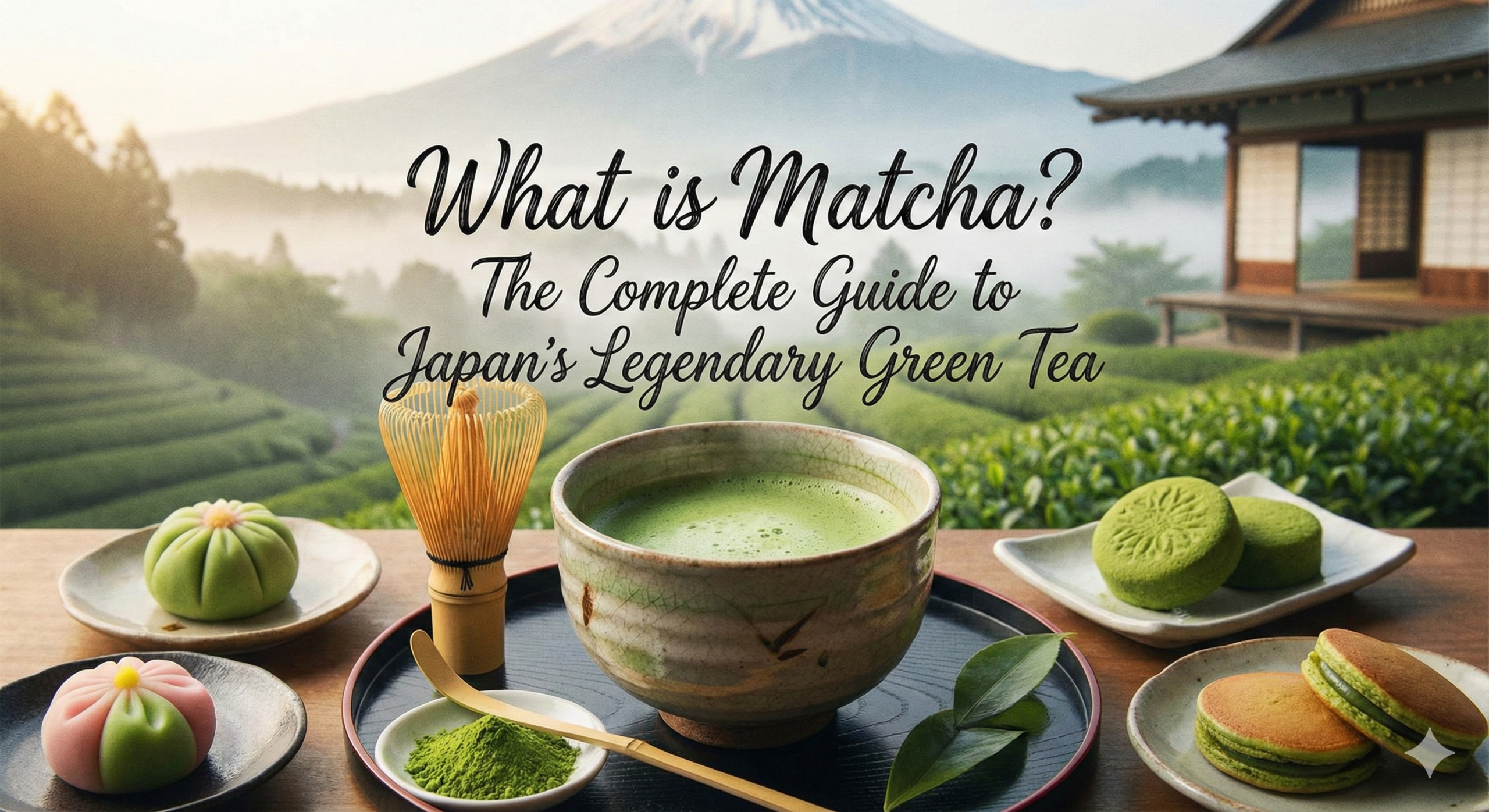
Matcha has captivated tea lovers around the world with its vibrant green color, rich umami flavor, and remarkable health benefits. But what exactly is matcha, and what makes it so special? Let’s explore the fascinating world of this ancient Japanese treasure.
The Essence of Matcha
Matcha is a finely ground powder made from specially grown and processed green tea leaves. Unlike regular tea where leaves are steeped and discarded, matcha involves consuming the entire leaf, providing a more concentrated source of nutrients and a uniquely intense flavor experience.The word “matcha” (抹茶) literally translates to “powdered tea” in Japanese, but this simple definition barely scratches the surface of its rich cultural significance and meticulous production process.
A Journey Through History
Matcha’s story begins in China during the Tang Dynasty (618-907 AD), where tea leaves were steamed and formed into bricks for easy transport and trade. However, it was in Japan that matcha truly found its spiritual home.In 1191, the Zen Buddhist monk Eisai brought tea seeds from China to Japan, along with the method of preparing powdered tea. He recognized tea’s ability to enhance meditation and alertness, making it an essential part of Zen Buddhist practice.By the 16th century, the legendary tea master Sen no Rikyū refined the Japanese tea ceremony (chanoyu or sadō) into the contemplative art form we know today. This elevated matcha from a simple beverage to a vehicle for mindfulness, aesthetics, and spiritual connection.
How Matcha is Made: The Art of Cultivation
The production of high-quality matcha is an intricate process that requires exceptional skill and patience:
1. Shading (Covering Cultivation)
About 20-30 days before harvest, tea plants destined to become matcha are covered with shade cloths or bamboo screens. This crucial step, called “covered cultivation” or “hikokuzai-bai,” reduces sunlight exposure to approximately 10-20%.This shading triggers a remarkable transformation in the tea leaves:
- Increases chlorophyll production, creating that signature vibrant green color
- Boosts L-theanine levels, an amino acid responsible for umami flavor and calming effects
- Reduces catechins and tannins, minimizing bitterness
- Concentrates nutrients and enhances sweetness
2. Harvesting
Only the youngest, most tender tea leaves are hand-picked for premium matcha. The first harvest in spring, known as “ichibancha” or “first flush,” produces the highest quality leaves with the most delicate flavor and highest nutrient content.
3. Steaming and Drying
Immediately after harvesting, the leaves are steamed to prevent oxidation, preserving their green color and fresh flavor. The steamed leaves are then dried and become what’s called “aracha” (crude tea).
4. Refinement into Tencha
The dried leaves are carefully sorted, with stems and veins removed. What remains are pure leaf parts called “tencha,” the raw material for matcha powder.
5. Stone Grinding
This is where tradition truly shines. Tencha is ground into an ultra-fine powder using traditional granite stone mills. This slow, careful process takes about one hour to produce just 30-40 grams of matcha. The slow grinding prevents heat buildup that could damage the delicate flavor compounds and nutrients.The resulting powder is so fine that each particle measures only 5-10 microns—about ten times finer than typical ground coffee.
The Grades of Matcha
Not all matcha is created equal. Understanding the different grades helps you choose the right matcha for your needs:
Ceremonial Grade
The highest quality matcha, made from the youngest tea leaves of the first harvest. It features:
- Vibrant, bright green color
- Smooth, naturally sweet flavor with minimal bitterness
- Delicate, complex aroma
- Perfect for traditional preparation (usucha or koicha)
- Best enjoyed pure with just hot water
Premium Grade
High-quality matcha suitable for both drinking and cooking:
- Bright green color
- Balanced flavor with slight bitterness
- Excellent for matcha lattes and daily drinking
- Good versatility for various preparations
Culinary Grade
Designed for cooking and baking:
- Slightly duller green color
- More robust, sometimes bitter flavor
- Ideal for smoothies, baking, and cooking
- Cost-effective for large-quantity use
The Nutritional Powerhouse
When you drink matcha, you consume the entire tea leaf, providing an impressive array of nutrients:
Antioxidants
Matcha contains exceptionally high levels of catechins, particularly EGCG (epigallocatechin gallate), a powerful antioxidant. One serving of matcha can provide as many antioxidants as 10 cups of regular green tea.
L-Theanine
This unique amino acid promotes relaxation without drowsiness, creating a state of “calm alertness.” Combined with matcha’s natural caffeine, L-theanine provides sustained energy and focus without the jitters or crash associated with coffee.
Chlorophyll
The vibrant green color comes from high chlorophyll content, which may support natural detoxification processes in the body.
Vitamins and Minerals
Matcha contains vitamins A, C, E, K, and B-complex, along with minerals like potassium, calcium, and iron.
How to Prepare Traditional Matcha
Preparing matcha is a meditative practice that honors centuries of tradition:
Traditional Usucha (Thin Tea)
- Sift 1-2 grams (about 1/2 teaspoon) of matcha through a fine-mesh sieve into a tea bowl (chawan)
- Add about 70ml (2.4 oz) of hot water at 70-80°C (158-176°F)
- Whisk vigorously in a “W” or “M” motion using a bamboo whisk (chasen) until a light foam forms
- Enjoy immediately while appreciating the color, aroma, and flavor
Tips for Perfect Matcha
- Water Temperature: Too hot destroys delicate flavors; too cool won’t properly suspend the powder
- Whisking Technique: Use quick, light wrist movements rather than stirring
- Fresh Powder: Once opened, store matcha in an airtight container in the refrigerator and use within 1-2 months
- Quality Matters: Start with good quality matcha for the best flavor experience
Modern Matcha: Beyond the Tea Bowl
While traditional preparation remains beloved, matcha has evolved to fit contemporary lifestyles:
Matcha Latte
Blend matcha with steamed milk (dairy or plant-based) and a touch of sweetener for a creamy, comforting drink.
Cold Brew Matcha
Mix matcha with cold water in a bottle and shake vigorously for a refreshing summer beverage.
Culinary Applications
Matcha’s unique flavor and color make it perfect for:
- Ice cream and desserts
- Smoothies and protein shakes
- Baked goods like cakes and cookies
- Savory dishes like noodles and sauces
The Matcha Experience: Mind, Body, and Spirit
What truly sets matcha apart is how it makes you feel. The combination of L-theanine and caffeine creates a unique state of focused calm—alert yet relaxed, energized yet centered.Zen monks discovered this centuries ago, using matcha to stay awake and focused during long meditation sessions. Today’s matcha drinkers report similar benefits: improved concentration, sustained energy without jitters, and a sense of mindful presence.
Choosing Your Matcha
When selecting matcha, consider:
- Color: Look for vibrant, bright green (not yellowish or olive)
- Origin: Japanese matcha from regions like Uji, Nishio, or Shizuoka is traditionally preferred
- Texture: Should be extremely fine and silky
- Aroma: Fresh, vegetal, slightly sweet smell
- Price: Quality matcha requires significant labor and expertise; extremely cheap matcha often indicates lower quality
Conclusion: More Than Just a Drink
Matcha is more than a beverage—it’s a connection to centuries of Japanese culture, a meditation in a cup, and a celebration of nature’s perfection refined by human craftsmanship. Whether you’re drawn to its health benefits, its unique flavor, or the mindful ritual of preparation, matcha offers something truly special.From the shaded tea fields of Japan to your tea bowl, every step in matcha’s journey reflects dedication, tradition, and respect for the tea plant. Each sip is an invitation to slow down, be present, and appreciate the extraordinary complexity that can be found in a simple cup of green tea.So the next time you whisk up a bowl of matcha, remember: you’re not just making tea—you’re participating in a living tradition that has nourished bodies, minds, and spirits for over 800 years.
Ready to experience authentic matcha? Explore our Sae-doki series, crafted from 150 years of tea-making tradition in Shizuoka, Japan.

コメント